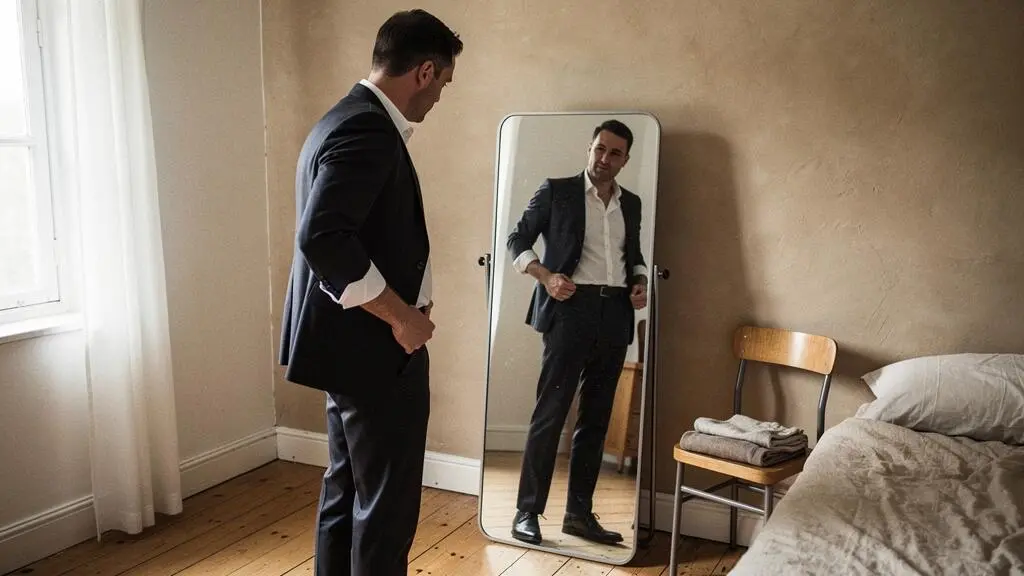
Timeless style is not about dressing as though fashion stopped in a favourite decade. It is about choosing clothes with lasting utility, then wearing them in proportions, combinations and contexts that make sense today. For UK professionals, that distinction matters: a wardrobe can be well made, restrained and expensive yet still look dated if its fit, footwear or styling belongs to another era.
The practical answer is to build around reliable garments, assess how their shapes work together and make selective adjustments rather than chase every new release. A white shirt, chinos, a tailored blazer and dependable shoes can remain useful for years, but no individual item guarantees a modern result. The complete silhouette does the work.
Everyday life matters just as much. A classic that only works for a formal meeting is less useful than one that moves comfortably between commuting, office days and relaxed plans. The strongest wardrobe reflects the life actually being lived, not an aspirational version of it.
Modern timelessness therefore comes from three habits: choosing versatile foundations, maintaining their fit and repeating combinations that feel authentic. The aim is not to eliminate personality or become minimalist. It is to make getting dressed more consistent without making your appearance feel frozen in time.
The essentials of modern timeless style
- Choose classics for their usefulness, not for an association with a particular decade.
- Update proportions, footwear and styling before buying replacement pieces.
- Build a repeatable personal formula around the clothes you genuinely wear.
- Why Does “Timeless Style” Sometimes Make People Look Older Than They Are?
- How to Modernise Classic Pieces Using One Proportion Change and Zero New Trends
- How to Modernise Classic Pieces Using One Proportion Change and Zero New Trends
- The “Timeless” Purchase That Ends Up Unworn Because Real Life Is Too Casual
- When Should You Update Your Classics So You Don’t Wake Up Looking Dated Overnight?
- 31.3: Why Do Some Tailored Blazers Look Instantly Dated Even If the Fabric Is Great?
- Chinos, Wool, or Tech Trousers: Which Is Best for a 3-Day Office Week?
- How Do You Build a Personal Style Signature Without Buying a Whole New Wardrobe?
Why Does “Timeless Style” Sometimes Make People Look Older Than They Are?
Timeless style can make someone look older when it reproduces the exact silhouettes, styling habits and details associated with a previous generation rather than preserving the qualities that make classic clothing useful. The problem is rarely the existence of a blazer, trench coat or leather shoe. It is the combination of shapes and references that makes the outfit read as a period costume rather than a current way of dressing.
Two common mistakes create this effect. The first is copying a decade-specific silhouette: rigid trousers, an exaggerated shoulder, a particular jacket length or a shoe shape that once dominated professional wardrobes. The second is copying an older generation’s complete interpretation of classic dressing, including conservative combinations that were once associated with authority and maturity.
Fashion history illustrates why the distinction matters. The Metropolitan Museum of Art‘s account of twentieth-century fashion silhouettes documents substantial changes in shoulder construction, waist placement and garment shape. Familiar categories can survive while the proportions that define their appearance change. A classic category is not a permanent silhouette.
The underlying mechanism is a frozen reference. Someone who admired a particular decade in their twenties may continue using it as their default visual template years later. Familiarity feels safe, but an outfit built entirely around one era can look dated even when every garment is well maintained.
Try a simple test: name three references that explain your current outfit. If all three come from the same decade, examine the silhouette more critically. The test is a useful prompt, not an objective rule; coherent outfits can legitimately draw on one historical period. The concern is whether the result feels intentional or merely inherited.
Look at the subtle details before replacing the main pieces:
- Shoe shape: the toe, sole thickness and overall profile can date an outfit faster than the leather itself.
- Shoulder construction: padding and jacket width influence the entire silhouette.
- Button stance: the position of a blazer’s fastening changes its visual balance.
- Eyewear: frames can reinforce a period-specific look when combined with similar references elsewhere.
- Fabric weight: cloth that hangs stiffly or looks unusually shiny can alter how contemporary a classic feels.
The psychological trap is that people often equate safe dressing with established formulas. A mature wardrobe, however, does not need to imitate a uniform from another generation. It needs enough consistency to feel dependable and enough flexibility to respond to the present.
Once the source of the dated effect is clear, the next step is usually a proportion adjustment rather than a shopping trip.
How to Modernise Classic Pieces Using One Proportion Change and Zero New Trends
Classic clothing usually looks more current when one proportion is adjusted deliberately, rather than when an entirely new trend-led item is added. The most useful variables are the trouser break, sleeve length, hem position and shoulder fit. Changing one of them gives the outfit a clearer silhouette while preserving the versatility that made the original garment worth keeping.
Start with three common wardrobe foundations. With chinos, check where the hem meets the shoe. Excess fabric gathering around the ankle can make an otherwise straightforward outfit look heavier than intended; a cleaner break can sharpen the line without requiring a different pair of trousers. The right result depends on the cut, shoe and wearer’s proportions, so aim for balance rather than a universal hem length.
With a blazer, assess the shoulder line first. The shoulder seam should sit appropriately for the garment’s intended construction, and the jacket should not overwhelm the wearer. If the shoulders already fit, examine the sleeve length and overall relationship between jacket and trousers. A tailor may be able to improve the sleeves, but major structural changes are a different proposition.
With a white shirt, try a more deliberate sleeve roll or adjust how it sits under knitwear or a jacket. A shirt that is too long or too voluminous can dominate a simple outfit; one that works with the outer layer creates a cleaner relationship between the pieces. The aim is not to make every garment tight, but to remove unnecessary visual bulk.
Buying a supposedly updated version of a classic is not automatically a better solution. Retail interpretations of classic categories still change, and a new garment may incorporate a fashionable cut that will soon feel just as dated. Fit adjustments are often a more durable intervention, provided the original garment is sound and the alteration is feasible.
Check the result in a full-length photograph. Use a plain background, stand far enough away to capture the complete outfit and avoid a close-up selfie, which distorts proportions. Compare the image with a reference from a different era. The question is whether the outfit reads as balanced and coherent, not whether it precisely copies the reference. This is a practical visual check rather than a validated styling test.
Make the change in isolation. Altering the trousers, changing the jacket, replacing the shoes and introducing new accessories simultaneously makes it difficult to identify which adjustment improved the result. One variable at a time creates a repeatable method for refining the wardrobe.
Once the fit is working, consistency becomes the next challenge: choosing a daily formula that makes those well-proportioned pieces easy to wear.
How to Modernise Classic Pieces Using One Proportion Change and Zero New Trends
An icon-led wardrobe and a signature uniform solve different problems. Iconic pieces, such as a trench coat or denim jacket, provide recognisable character but require combinations that suit each garment. A personal uniform uses a repeatable outfit formula with small variations, reducing the effort of getting dressed. The better choice depends on how varied your week is, how much repetition you enjoy and how much time you want to spend making decisions.
An icon-led wardrobe works well for someone whose social and professional settings vary significantly. A distinctive outer layer can change the mood of an otherwise simple outfit, allowing the same base pieces to work in different contexts. The trade-off is that every icon carries styling expectations. A statement trench, for example, may look out of place with some casual combinations unless the rest of the outfit bridges the difference.
A uniform-led wardrobe is better suited to someone who values speed and consistency. A formula might combine straight or gently tapered trousers, a plain shirt or knit, a dependable shoe family and a practical outer layer. Colour, fabric and fit can vary while the overall structure remains recognisable. Repetition becomes a feature rather than evidence of a lack of style.
The choice becomes clearer when everyday constraints are considered:
| Decision factor | Icon-led wardrobe | Signature uniform |
|---|---|---|
| Morning time | More time may be needed to style each statement piece. | A familiar formula reduces daily decisions. |
| Changing social contexts | Useful when different occasions call for different visual signals. | Works best when a consistent base can adapt across settings. |
| Tolerance for repetition | Offers more visible variety. | Requires comfort with repeating a recognisable formula. |
| Budget priorities | May encourage selective investment in distinctive pieces. | Can focus spending on frequently worn, compatible essentials. |
The strongest solution for many professionals is a hybrid: establish one reliable uniform, then rotate a single icon piece. A consistent base makes dressing predictable, while the outer layer, footwear or accessory adds enough variation to prevent monotony. This is especially practical when office and non-office days share many of the same activities.
There is a structural reason a uniform can feel contemporary: it is built around the wearer’s present routine rather than a historical garment’s reputation. Icons can still work beautifully, but their associations need to be balanced with current fit, proportion and context. Neither approach is automatically more timeless; both succeed when the wearer can repeat them naturally.
A reliable formula is only useful if its individual pieces earn their place in daily life, which is why the next decision should happen before the next purchase.
The “Timeless” Purchase That Ends Up Unworn Because Real Life Is Too Casual
A timeless purchase often goes unworn because it was chosen for an imagined lifestyle rather than the one the owner actually has. A structured blazer, formal leather shoes or a substantial overcoat may look like sensible long-term investments, yet remain unused if most days involve commuting, informal offices, childcare or relaxed social plans. Longevity only has practical value when the garment fits the wearer’s routine.
The distinction is between versatility in theory and versatility in practice. A blazer may work with several formal outfits but still feel too dressy for the owner’s usual environment. Leather shoes may look appropriate in a meeting but prove uncomfortable for a long walk through a station. A beautifully made coat can be unnecessary if the owner’s existing outerwear already covers the weather and occasions they encounter.
WRAP‘s UK research on clothing longevity, published in 2022 and based on consumer research conducted in autumn 2021, reported that clothing items in the average person’s wardrobe not used during the preceding year accounted for 26 % of clothing items. The research covered 44,807 clothing items. These figures do not show that timeless purchases specifically are responsible for non-use, but they illustrate why actual wear deserves as much attention as perceived quality.
Before buying, review the last 14 days of your real life. This is a practical decision aid, not a method validated by WRAP. Note what you wore, where you went and how formal each occasion was. A proposed purchase should fit into that observed range without requiring a hypothetical promotion, a different social calendar or a new daily routine.
For a garment already sitting unworn in the wardrobe, test whether it can be dressed down before writing it off. Try the blazer with a plain T-shirt or knit, less formal trousers and footwear that suits the setting. Softer textures, restrained colours and a less structured combination can reduce the contrast between a formal piece and everyday clothing. The outcome depends on the garment’s cut and construction; some pieces will remain too formal for the context.
Evaluate the purchase on cost per use in ordinary language: how often have you actually worn it, and what realistic occasions remain? An unworn garment ties up money and wardrobe space without delivering the utility that justified buying it. Repeated mistakes can create a crowded wardrobe full of individually appealing pieces that do not work together.
Timelessness is not a requirement to own a prescribed set of expensive classics. It is the ability to rely on clothes that serve the life you lead. A less formal piece that gets worn regularly may be a better investment than a prestigious garment that only suits an imagined occasion.
Once the wardrobe reflects actual use, regular maintenance becomes easier to prioritise because the most valuable pieces are the ones already doing useful work.
When Should You Update Your Classics So You Don’t Wake Up Looking Dated Overnight?
Update classic clothing when wear, changing proportions or a shift in your lifestyle makes it less effective, rather than because a new trend has appeared. Datedness often develops gradually through small details: shoes that no longer balance the trousers, a blazer that overwhelms the frame or colours that no longer work with the rest of the wardrobe. A periodic review helps identify these problems before they lead to unnecessary replacement.
Three triggers deserve different responses. First, physical wear: thinning fabric, damaged linings, stretched collars or soles nearing the end of their useful life may call for repair or replacement. Second, silhouette drift: changes in your body, preferred fit or the surrounding visual context may mean a garment no longer sits as intended. Alterations can help where construction allows, but not every fit issue is economical to fix.
Third, context change. A new role, a different commute, a move or a more casual working week can alter what your wardrobe needs to do. A jacket that once served daily client meetings may become an occasional piece, while comfortable trousers and versatile footwear may become more important. This is a change in utility, not necessarily a fashion problem.
Set a review interval that is realistic for you, such as the beginning of a new season or another regular wardrobe reset. There is no universally correct schedule. At each review, inspect fit, footwear, outerwear shape and the compatibility of your main colours. Separate items that need repair from those that need a styling change and those that no longer suit your circumstances.
A complete wardrobe makeover is rarely necessary. Replacing everything at once can produce mismatched levels of formality, inconsistent fits and avoidable spending. It can also lead to over-correction: replacing perfectly serviceable pieces with fashionable alternatives that do not integrate with the clothes you already own.
Instead, rank your garments by two factors: how visible they are and how often you wear them. Frequently worn shoes, trousers, coats and jackets often deserve attention before a rarely used accessory. Repair a loose button, refresh suitable wool garments according to their care labels, and assess whether a small alteration will restore a useful fit.
The objective is not to make the wardrobe look new every season. It is to keep its most-used elements coherent. Small, targeted updates preserve continuity while allowing your personal style to evolve without an abrupt change in identity.
For professionals who rely on tailoring, the next useful step is to examine which blazer details can be changed and which are built into the garment.
31.3: Why Do Some Tailored Blazers Look Instantly Dated Even If the Fabric Is Great?
A tailored blazer can look dated despite excellent fabric because cloth quality and silhouette are separate considerations. The material may remain attractive and durable while the lapel width, shoulder construction, button position or sleeve length creates a distinctly period-specific shape. Good cloth can extend a garment’s usefulness, but it cannot guarantee that its construction will suit every future silhouette.
Start by examining the jacket as a whole. Lapels affect the visual relationship between the chest and shoulders. Shoulder padding changes the outline of the upper body. Button stance influences where the jacket appears to close, and sleeve length changes how it sits alongside a shirt or knit. Lining colour and vent style can contribute to the overall impression, although neither detail alone determines whether a blazer looks current.
The Metropolitan Museum of Art’s historical account of changing fashion silhouettes provides useful context: shoulder construction and garment shape have shifted substantially across the twentieth century. That history does not prescribe a single ideal blazer for modern menswear, but it does demonstrate why a familiar garment category can take on different visual identities as proportions change.
The common buying mistake is to assume that paying for premium fabric future-proofs the entire jacket. In reality, fabric and construction solve different problems. A textured natural-fibre cloth may remain versatile, while an extreme shoulder or unusual lapel proportion is harder to adapt to a different style preference.
For a blazer intended to last, look for balance rather than an absolute measurement. The lapels should make sense relative to the shoulders and chest, the fabric should suit the intended use, and the overall cut should work with the trousers and footwear you already wear. A natural-looking texture can be easier to integrate into everyday outfits than a very flat, pronounced sheen, although the right choice also depends on the garment’s purpose.
Alterations have limits. Specialist guidance from Gentleman’s Gazette‘s guide to suit alterations distinguishes routine adjustments, such as some sleeve-length changes, from complex interventions involving lapels, shoulders and established button positions. Feasibility depends on the jacket’s construction, available fabric and the tailor’s expertise.
- Often worth assessing: sleeve length, minor tapering and certain fit adjustments, provided the garment has sufficient allowance.
- Requires caution: replacing decorative buttons. This is not the same as moving buttonholes or changing the jacket’s fastening position.
- Often impractical: major shoulder reconstruction, substantial lapel reshaping or relocation of structural buttonholes.
Ask a tailor to assess the actual garment before committing to alterations. A sleeve adjustment may be straightforward, while changing the shoulder line can be expensive and may not produce a satisfactory result. If the jacket’s defining silhouette is the problem, replacement may be more sensible than reconstruction.
A well-fitting blazer is only one part of an office wardrobe, however; trousers need to perform through commuting, meetings and the less formal days around them.
Chinos, Wool, or Tech Trousers: Which Is Best for a 3-Day Office Week?
For a three-day office week, the best trousers are the pair that remains comfortable and presentable across commuting, sitting, meetings and the rest of the week. Chinos offer versatility, wool trousers can provide useful drape and recovery, and technical trousers may prioritise comfort and durability. None is automatically best: fabric construction, garment cut, care requirements and workplace formality determine how well each option performs.
Chinos are a practical starting point for offices with a relaxed dress code. They can bridge work and casual settings without much styling effort. Their weakness is variation: cotton weight, weave, finishing and fit all influence creasing and how the fabric hangs after several hours. A lightweight pair may behave differently from a heavier, more structured one, so the category name alone is not enough to predict performance.
Wool trousers can offer fluid drape and useful resilience. Woolmark describes Merino wool as breathable, with natural stretch and recovery, and notes that wool trousers can often be refreshed between wears instead of being washed after every use. Brushing or carefully applied steam may help remove creases, but the garment’s own care label should determine how it is cleaned. Wool garments can also involve higher purchase costs and more specific care requirements.
Technical trousers are worth considering when comfort, movement and easy maintenance dominate. Their performance varies considerably by fabric and design. A polished pair may work in a relaxed office, while a sporty finish or highly casual cut may look out of place in a formal workplace. Test the actual garment rather than assuming every technical fabric behaves the same way.
| Criterion | Chinos | Wool trousers | Technical trousers |
|---|---|---|---|
| Crease management | Depends on weight, weave and finishing. | Can offer useful drape and recovery, depending on construction. | Varies by fibre blend and fabric finish. |
| Commuting comfort | Depends on fit, stretch and fabric weight. | Can be comfortable and breathable; construction matters. | Often designed with movement and comfort in mind. |
| Care | Follow the garment label; some cotton fabrics need pressing. | Care may be more specialised; check the label. | Depends on the fabric blend and manufacturer’s instructions. |
| Formality | Usually versatile in smart-casual settings. | Can suit more formal offices and smart-casual use. | Ranges from polished to distinctly casual. |
The overlooked factor is the formality gap between office days and the rest of the week. A pair that looks excellent at a formal meeting may feel unnecessarily dressy on a home-working day, while an ultra-casual technical trouser may not work for client-facing appointments. Choose for the range of contexts you actually encounter, not just the most demanding one.
Wear-test one candidate from each category for a realistic full day before buying multiples. Include your normal commute, sitting time and meetings. At the end of the day, note visible creases, comfort, waistband pressure, knee bagging and whether the trousers still look appropriate. This is a practical comparison, not a controlled fabric-performance test, but it is more relevant to your routine than relying on fibre labels alone.
Keep the result specific to the garments tested. A successful wool pair does not prove that all wool trousers will perform identically, and a disappointing chino does not rule out every cotton construction. The most useful purchase is the one that combines comfort, appearance and cross-context versatility for your own week.
Once the most useful foundations are established, a recognisable style can emerge from repeating them with intention rather than continually adding new pieces.
What to remember before building your signature
- Keep the garments that already work and identify the combinations you repeat naturally.
- Choose one or two consistent details that connect your outfits without making them identical.
- Test a signature against your real routine, budget and existing wardrobe before buying anything new.
How Do You Build a Personal Style Signature Without Buying a Whole New Wardrobe?
A personal style signature is a repeatable combination of clothes, colours or details that makes your outfits feel recognisably yours. It does not require a new wardrobe, a designer item or an unusual accessory. The most reliable signature usually grows from existing pieces that fit well, suit your daily routine and already make you feel comfortable and appropriately dressed.
Begin with evidence rather than aspiration. Think about outfits you have worn repeatedly in recent months, particularly those that attracted positive comments or made getting dressed feel straightforward. Identify the elements that recur: perhaps dark chinos with a white shirt, a particular family of shoes, a consistent neutral palette or sleeves rolled in a familiar way.
Choose two or three possible signature elements, then test whether they work together across different situations. A colour anchor might be navy, olive or another shade already present in your wardrobe. A recurring combination could be tailored trousers with a fine-gauge knit. A detail might be the way you wear a shirt or the style of watch you already own. The point is consistency, not novelty.
A signature should also survive practical constraints. If it depends on one expensive jacket, a rare accessory or a particular brand, it may become difficult to maintain when the item wears out or becomes unavailable. A formula built from reliable, replaceable categories is easier to sustain. That does not mean avoiding distinctive pieces; it means ensuring the signature does not collapse without one of them.
Use this five-step wardrobe audit to turn the idea into a practical result:
Your five-step signature audit
- Review outfits worn during recent months and write down five combinations you naturally repeat; the deliverable is a shortlist of five real outfits.
- Identify two or three recurring colours, silhouettes or details across that shortlist; record them as candidate signature elements.
- Build three outfit combinations using pieces already owned; the deliverable is three complete, wearable looks.
- Check each look against your actual office, commuting and casual contexts; mark where a combination feels too formal, too casual or uncomfortable.
- Choose one repeatable base and one optional rotating detail; record the final formula so it can be used without another purchase.
Before adding anything, check the gaps that genuinely limit the formula. If every combination depends on the same trousers and they are no longer comfortable, replacing them may be sensible. If the outfits already work but feel repetitive, try changing a shirt, knit, shoe or outer layer from pieces you own. The goal is to discover whether variety can come from selection and styling rather than additional consumption.
Consistency does not mean wearing identical outfits every day. It means maintaining a recognisable relationship between fit, colour, texture and personal preference. A signature can evolve as your work and lifestyle change, provided the underlying choices still reflect what you value and how you actually dress.
There is also a useful distinction between a signature and a trend. A trend asks you to adopt something because it is current; a signature becomes recognisable because you choose it repeatedly. An element may happen to be fashionable, but it earns a lasting place only if it remains useful and feels authentic beyond that moment.
That is the practical balance between timeless and modern: preserve what is useful, adjust what feels dated and repeat what works. A coherent personal formula can remain recognisable across changing decades because it is rooted in the wearer’s preferences rather than a fixed historical template.
Start with three outfits from your current wardrobe, identify the details they share and wear-test the resulting formula over an ordinary working week. A timeless style is built through repeated, useful decisions—not a single perfect purchase.
Can a minimalist wardrobe still look dated?
Yes. Minimalism describes the amount and visual simplicity of clothing, not whether its proportions feel current. A small wardrobe can look dated if its shoes, jacket shape or trouser fit consistently reflects an older silhouette. Review the complete outfit before replacing individual items.
How many classic pieces do you need for a versatile wardrobe?
There is no universal number. The right selection depends on your work dress code, climate, laundry routine, budget and how often you repeat outfits. Start with the garments you wear regularly, identify combinations that cover your real activities and add pieces only when a specific gap remains.
Should you replace a blazer that looks old-fashioned?
Not automatically. Check whether the issue is a correctable sleeve length, a loose fit or a styling mismatch. Ask a qualified tailor to assess what is feasible. Major changes to shoulders, lapels or established button positions may be difficult or uneconomical, depending on the construction.
Are expensive natural fabrics always the best long-term investment?
No. Fibre quality is only one part of long-term value. Fit, construction, comfort, care requirements and how often the garment is worn matter too. Compare the actual item with your routine, read its care label and consider whether it works with the clothes you already own before paying more for a material.
How can you make everyday office clothes look more polished without dressing formally?
Focus on fit, garment condition and coordination. Trousers that sit well, clean and appropriate footwear, a shirt or knit that works with the outer layer, and a consistent colour palette can create a polished result without requiring a suit. Match the level of formality to your workplace and commute rather than dressing for an imagined occasion.