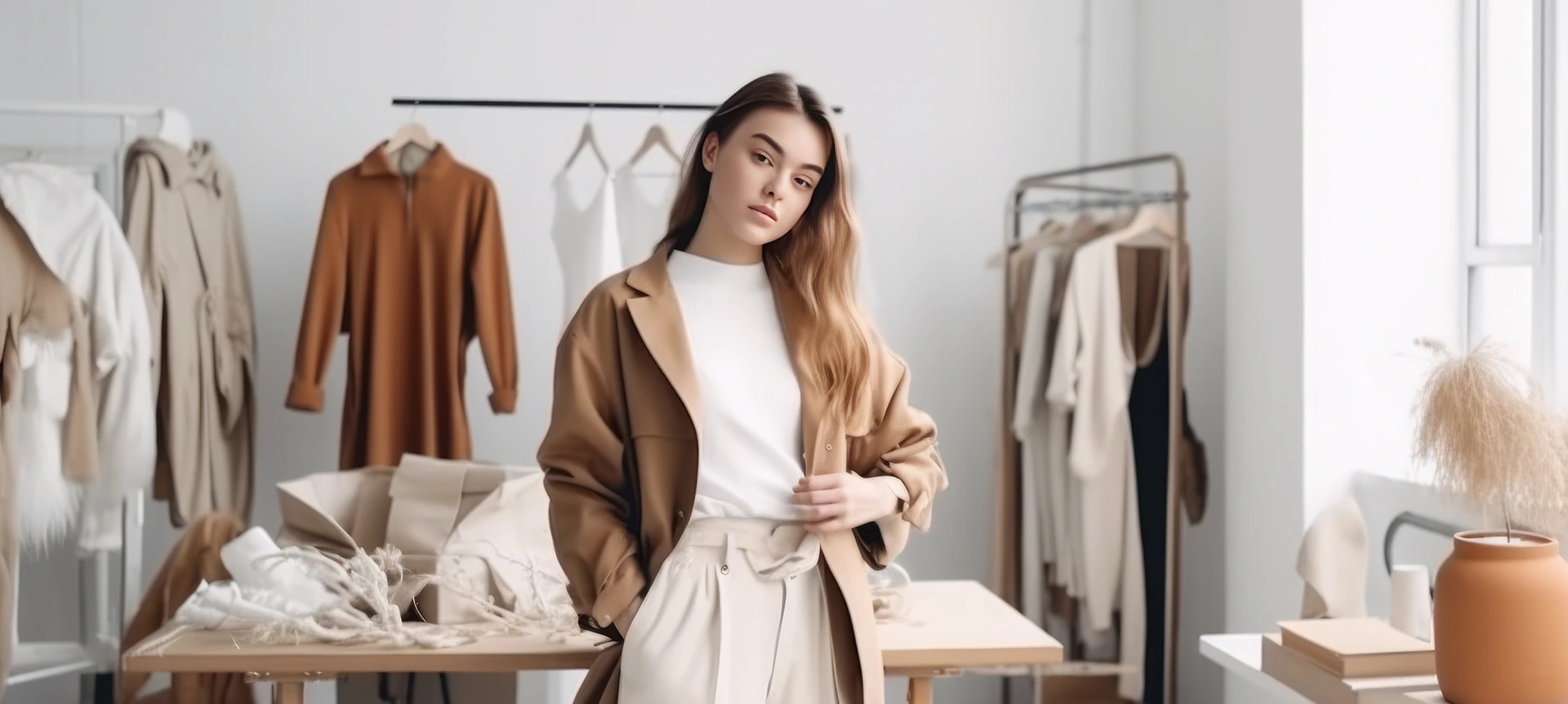
Contemporary style evolution
Mastering the art of modern fashion design and apparel aesthetics
In an industry driven by constant reinvention, the intersection of traditional craftsmanship and digital innovation shapes our wardrobe. Every garment tells a distinct story of cultural shifts, technical precision, and the eternal pursuit of personal expression through fabric.
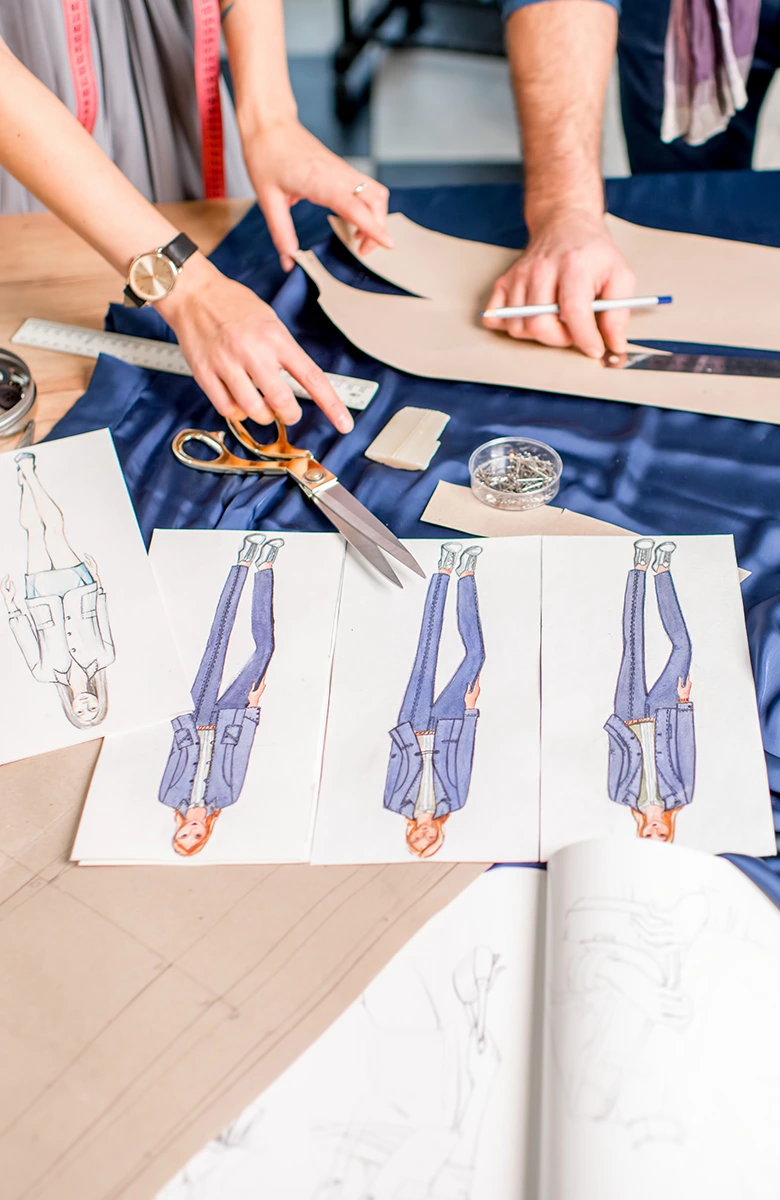
From sketch to finished garment
The journey begins in the atelier, where rough charcoal sketches translate into complex paper patterns. Designers analyze fabric drape and structural integrity before cutting the first prototype. This meticulous phase bridges the gap between artistic vision and wearable engineering, requiring patience and technical skill.
Selecting textiles defines the silhouette’s fluidity, while precision stitching ensures durability and comfort throughout the garment’s lifecycle.
Digital prints and technology
Advanced sublimation techniques allow for hyper-realistic patterns and vibrant color gradients on synthetic fibers.
Minimalist capsule wardrobes
Curating fewer, higher-quality pieces creates a versatile collection suitable for various social occasions.
Vintage revival aesthetics
Designers reinterpret classic cuts from past decades, updating them with modern fabrics and fits.
Versatility in modern womenswear
Contemporary collections prioritize adaptability, allowing seamless transitions from professional environments to evening social gatherings. Tailored blazers now pair effortlessly with fluid skirts, reflecting a lifestyle that values both authority and comfort. The focus shifts towards empowering silhouettes that accommodate dynamic movement without sacrificing elegance.
Soft knits and structured linens offer breathable solutions that maintain their shape during long, active days.
Redefining masculine tailoring codes
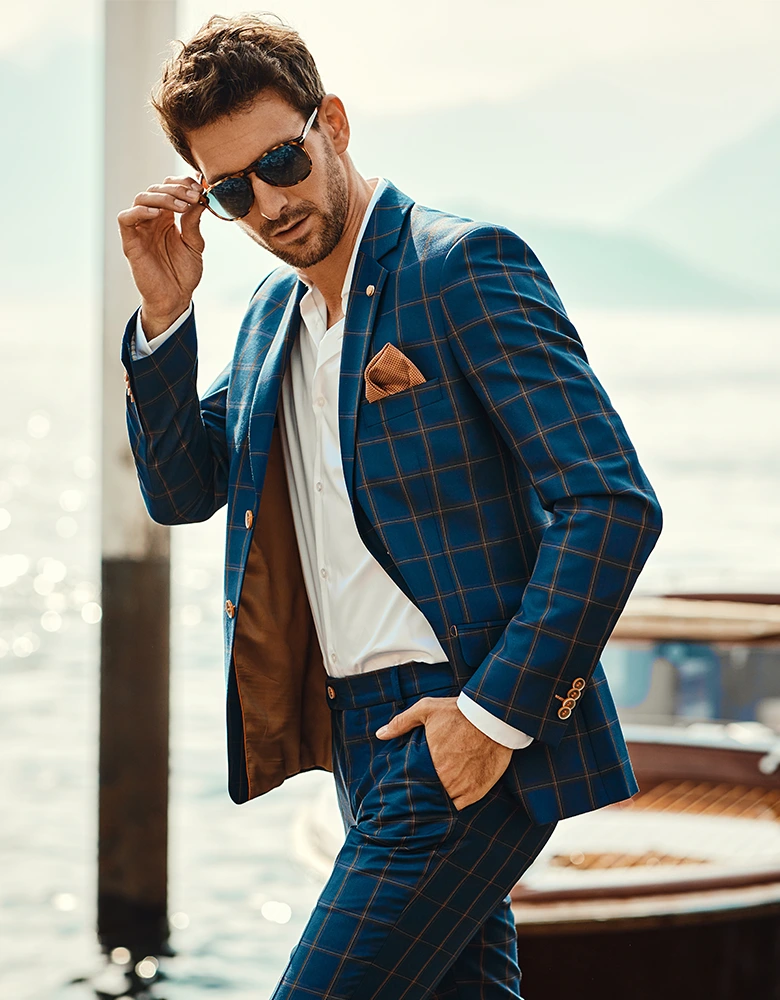
The rigid constraints of the traditional suit have relaxed, giving way to deconstructed jackets and smart trousers. Men today experiment with texture and layering, combining merino wool sweaters with technical outerwear. This evolution marks a departure from strict uniformity towards a more personalized sartorial identity.
Accessories like leather satchels and minimalist watches add functional refinement to these modernized casual ensembles.
Ethical production and future textiles
The industry faces a crucial turning point where eco-responsibility dictates production methods. Brands increasingly adopt circular economy models, utilizing recycled fibers and organic dyes to minimize environmental impact while maintaining aesthetic appeal.